











EDSA People Power 40th Anniversary: Commemorating 40 Years of Democracy
The EDSA People Power Revolution remains one of the most defining moments in contemporary Philippine history. Exactly forty years ago, from February 22 to 25, 1986, millions of Filipinos gathered along Epifanio de los Santos Avenue (EDSA) in a striking display of peaceful resistance. Driven by a collective demand for change after years of martial law, human rights abuses, and electoral fraud under President Ferdinand Marcos Sr., the bloodless revolt ultimately led to the installation of Corazon Aquino as president. Today, four decades later, the spirit of EDSA continues to serve as a powerful global symbol of non-violent democratic restoration and civic unity.
Understanding the historical context of the EDSA Revolution is crucial for newer generations of Filipinos. The uprising was sparked by a military defection but was sustained by ordinary citizens, religious groups, and civil society organizations who courageously formed human barricades to protect the defectors from armed government forces. Armed only with rosaries, flowers, and an unwavering resolve, the protesters successfully dismantled a two-decade dictatorship without descending into civil war. This legacy of peaceful intervention is a cornerstone of the Philippine democratic identity, emphasizing that true power resides inherently with the people.
In observance of the 40th anniversary, numerous civic, religious, and academic institutions have organized nationwide activities. Under themes like "Tayo ang People Power," events include prayer marches from the EDSA Shrine to the People Power Monument, multi-sectoral rallies demanding government accountability, and localized mass gatherings in major cities like Cebu. While the day is not officially declared a regular national holiday in 2026, dozens of universities and local government units have independently suspended classes and office operations to encourage the youth to participate in these reflections on democratic space and ethical governance.
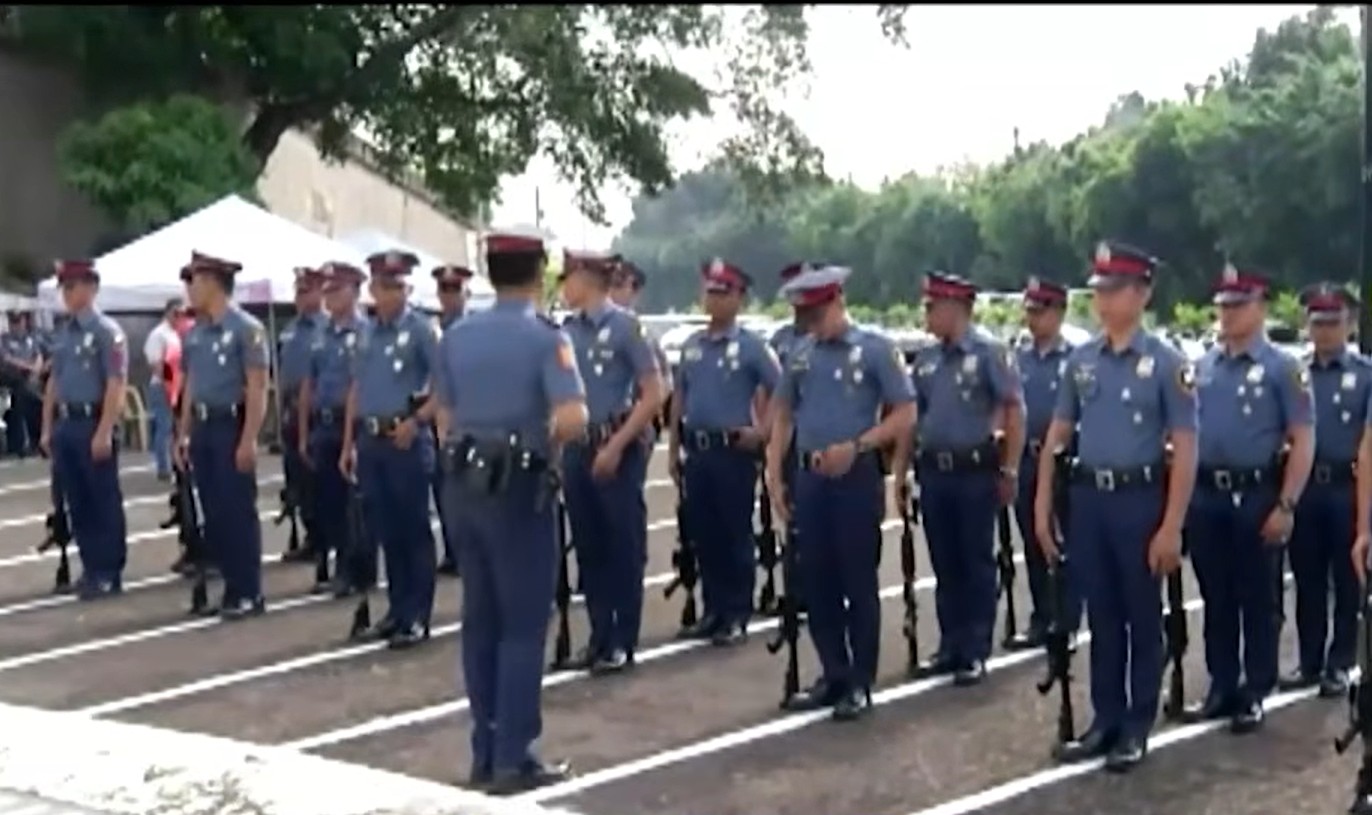
For those navigating Metro Manila today, significant logistical adjustments are in place to accommodate these historical gatherings. The National Capital Region Police Office (NCRPO) has deployed over 14,000 personnel to ensure public safety and crowd management while strictly enforcing a "no permit, no rally" policy outside of designated freedom parks. Commuters and motorists should anticipate heavy traffic and implement alternative routes, as widespread traffic rerouting schemes have been enacted around the EDSA Shrine, Ortigas Avenue, and the People Power Monument. Authorities are strongly encouraging the public to utilize rail transit systems like the MRT to bypass the affected thoroughfares.
Ultimately, commemorating the 40th anniversary of the EDSA Revolution is not merely an exercise in nostalgia, but a continuing call to action. As modern challenges surrounding corruption, institutional integrity, and historical truth arise, the lessons of 1986 remain highly relevant. The ongoing mobilizations across the country demonstrate that the vigilance required to protect human rights and democratic institutions did not end when the dictatorship fell; rather, it is an everyday responsibility. By actively remembering EDSA, Filipinos reaffirm their commitment to a just, transparent, and equitable nation.
What do you think?
0 COMMENTS





























Subscribe to our Newsletter for new blog posts, tips & new photos. Let's stay updated!
Leave a Comment