











Nepal Devastated by Catastrophic Glacial Floods: More Than 1,000 Dead and 1.6 Million Affected
Here are some details and news about what happen in Nepal Floods last August 26, 2026.
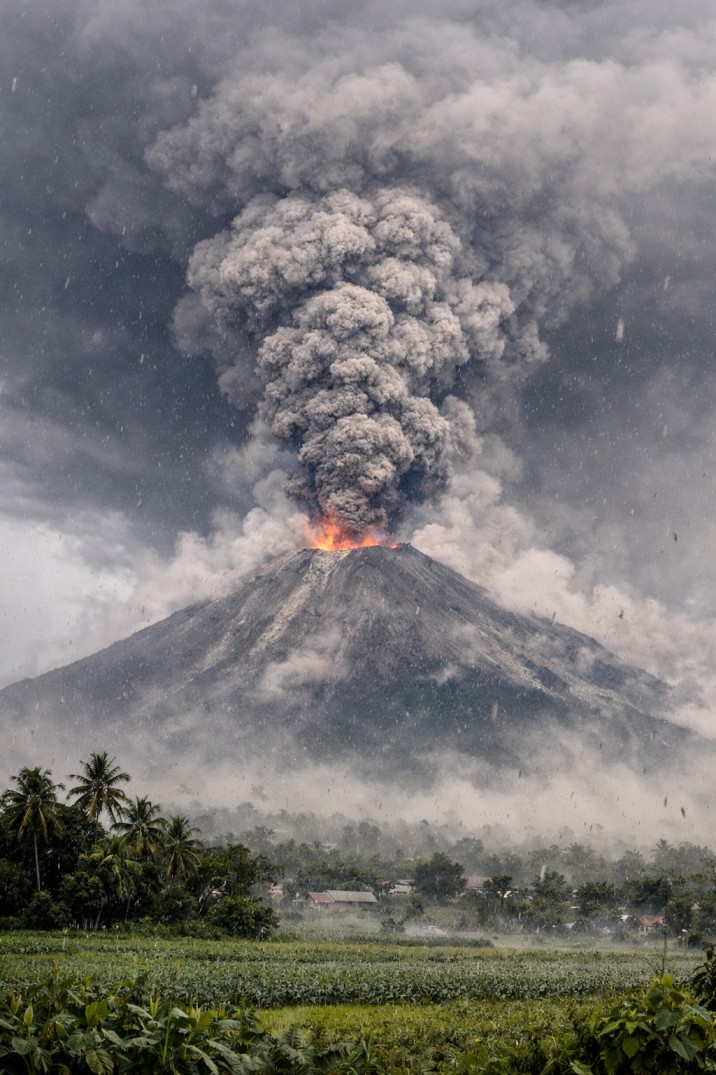
This is unexpected events in Nepal, let us read about what happen this country. Photo by: https://time.com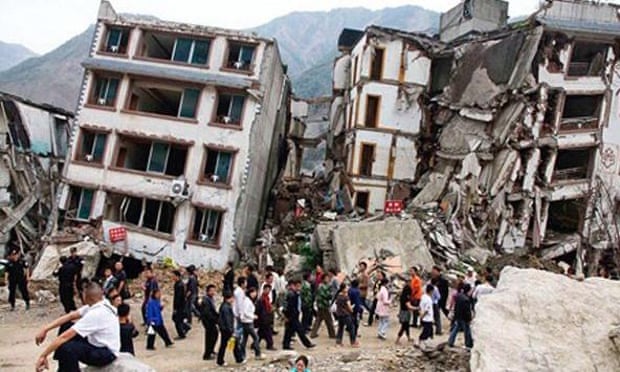
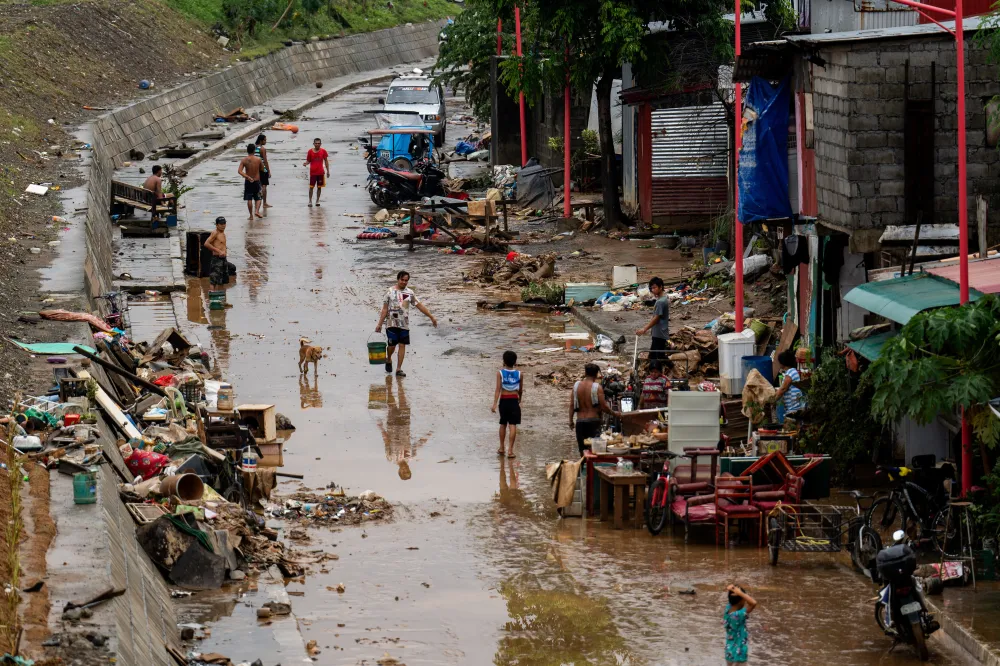
Photo by: https://www.theguardian.com
NEPAL — A catastrophic flood disaster has devastated parts of Nepal after a sudden surge of water, ice, rocks and mud swept through Himalayan communities on August 26, leaving a massive trail of destruction across several districts.
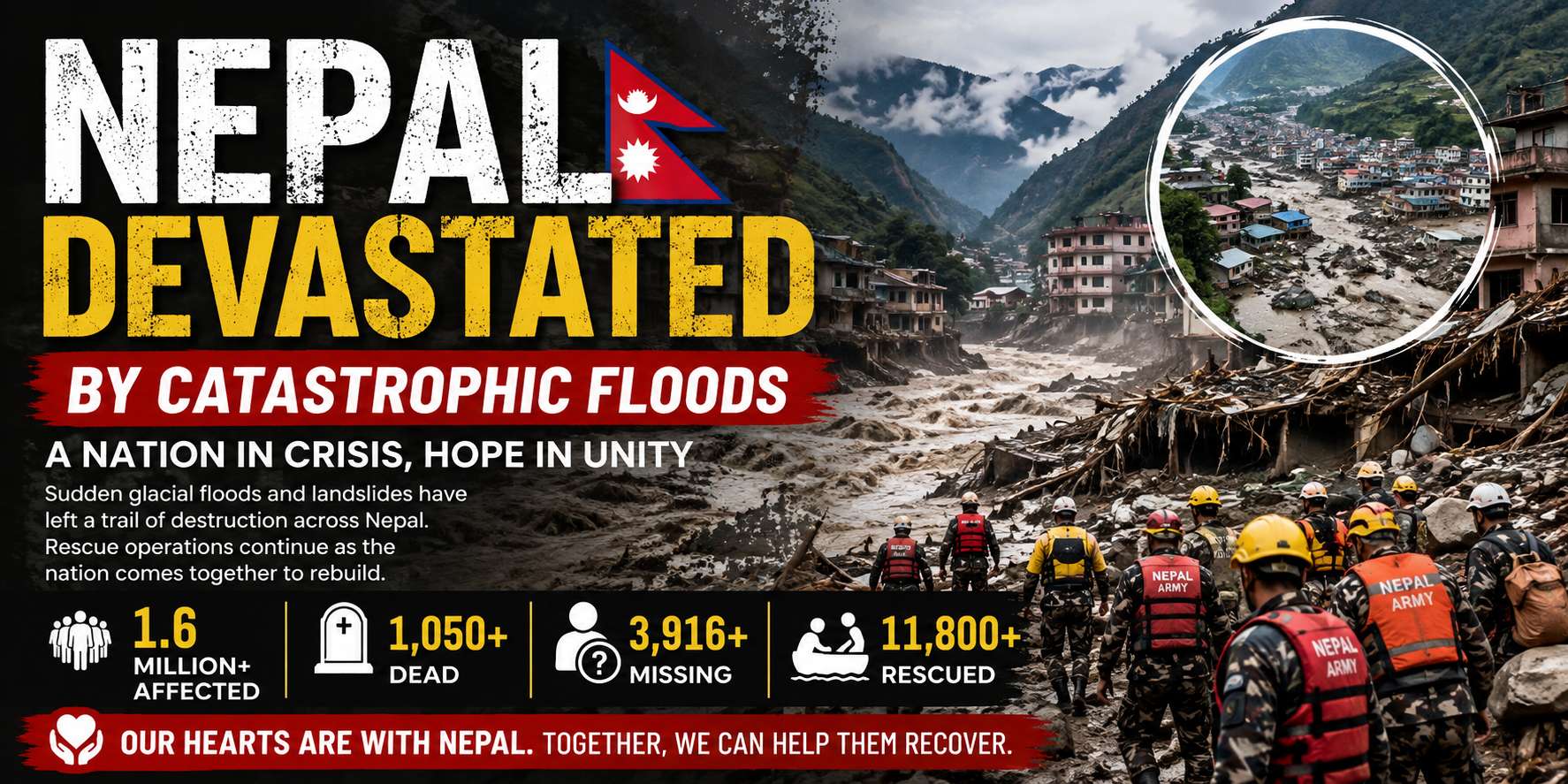
The disaster has become one of Nepal's most devastating recent catastrophes, with the latest government figures reporting 1,050 deaths and 3,916 people still missing. Nearly 1.6 million people have been affected, according to Nepal's preliminary government situation report.
More than 11,800 people have been rescued, while thousands of soldiers, police officers and emergency personnel continue search-and-rescue operations in areas cut off by destroyed roads, bridges and landslides.
What caused the devastating flood?
The disaster began in the Himalayan region near the Nepal-China border. Authorities and international organizations say the flooding was associated with a glacial collapse or ice-rock avalanche, which sent an enormous amount of water, ice, rocks and sediment downstream.
The sudden surge entered the Bhote Koshi River system and caused destructive flooding along the Bhote Koshi and Trishuli river corridors.
WHO said preliminary information indicates that the flooding in Rasuwa followed a sudden surge of water from the Tibet Autonomous Region of China, possibly linked to an upstream ice avalanche and temporary damming of the Lhende River. Investigations into the precise sequence of events are continuing.
The disaster was therefore not simply an ordinary monsoon flood. The combination of glacial instability, huge volumes of water and debris, steep Himalayan terrain and vulnerable communities dramatically increased the destructive force of the event.
More than 1.6 million people affected
Nepal's National Disaster Risk Reduction and Management Authority reported that approximately 1.6 million people have been affected by the disaster.
The worst-affected areas include Rasuwa and Nuwakot, while other districts including Dhading, Gorkha and Chitwan have also suffered significant damage.
The floods destroyed or damaged homes, roads, bridges, schools, health facilities and hydropower infrastructure.
The United Nations Development Programme estimated that approximately 2.2 million tonnes of debris had accumulated in the areas analyzed. The debris includes destroyed buildings, household belongings, vegetation, rocks and sediment.
UNDP's assessment also found that around 84,270 people were affected across 17 municipalities in six districts in its analyzed areas.
Thousands still missing
One of the biggest challenges facing rescuers is the large number of people who remain unaccounted for.
Nepal's latest government figures list 3,916 missing people. Among those missing are Nepali citizens, workers at hydropower projects and foreign nationals.
Several hydropower facilities were severely damaged, with hundreds of workers feared trapped inside tunnels filled with mud, rocks and floodwater.
Rescue teams from Nepal, India, China and South Korea have been assisting with the difficult search operations.
Massive infrastructure destruction
The floods have caused extensive damage to Nepal's critical infrastructure.
According to UNDP, 11 hydropower stations and one solar plant, with a combined capacity of approximately 431 megawatts, had stopped operating. Additional hydropower projects under construction were also damaged.
Roads and bridges were swept away, making it extremely difficult for rescue teams to reach isolated communities.
The destruction has also disrupted electricity, communications, transportation and access to medical services.
International rescue and humanitarian assistance
Nepal has mobilized thousands of military, police and emergency personnel to conduct search-and-rescue and relief operations.
India, China and South Korea have also provided specialized assistance and rescue personnel.
International organizations are helping provide emergency medical care, food, shelter, clean water and other essential supplies.
The disaster has also raised concerns about the increasing risks faced by Himalayan communities as glaciers and mountain environments become increasingly unstable.
A disaster that could take years to recover from
The immediate priority remains finding survivors, recovering missing people and providing emergency assistance to families who have lost their homes and livelihoods.
But the scale of destruction means Nepal will also face a long reconstruction process.
Entire communities have lost homes, roads, bridges, businesses and sources of income. Farmers in affected areas are also facing potential losses to crops, livestock and farmland.
The tragedy serves as another warning about the growing dangers of extreme environmental events in the Himalayan region.
For now, rescue teams continue working through mud, debris and damaged infrastructure in the hope of finding more survivors.
The figures remain provisional and may change as search-and-rescue operations and identification of victims continue.
Sources:
- Nepal National Disaster Risk Reduction and Management Authority / Nepal government situation report
- Nepal Ministry of Foreign Affairs
- World Health Organization (WHO)
- United Nations Development Programme (UNDP)
- Reuters and Associated Press reporting
This article uses the latest available figures and should be updated as Nepalese authorities release new verified casualty numbers.
------------------------------
This tragedy is very sad, let us help our brother and sister in NEPAL, you can send donation for kind.
What do you think?
0 COMMENTS


































Subscribe to our Newsletter for new blog posts, tips & new photos. Let's stay updated!
Leave a Comment